Minimum order $50 Cad Sorry No Shipping to other countries as of yet.
Your cart is currently empty
Product image slideshow Items
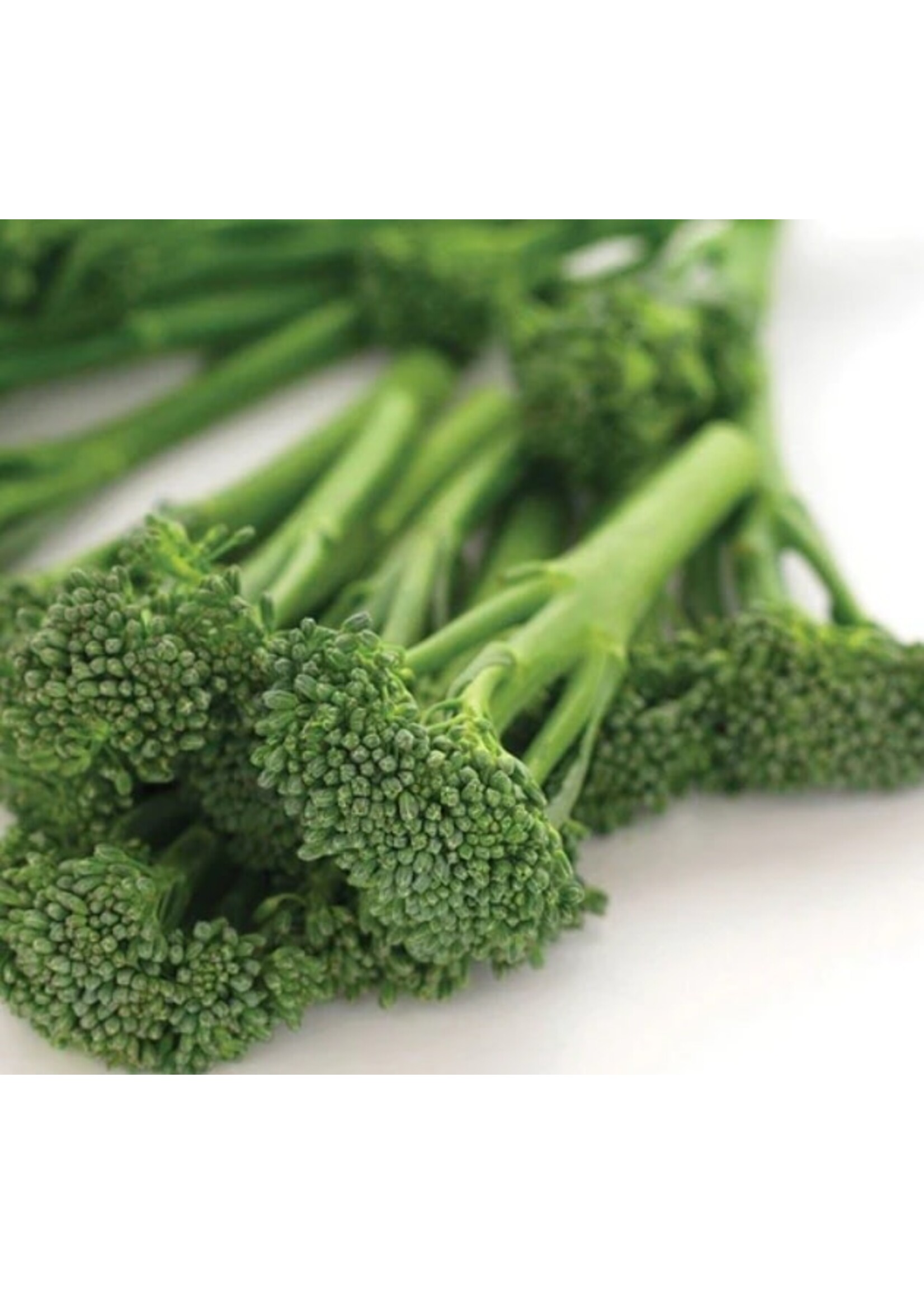
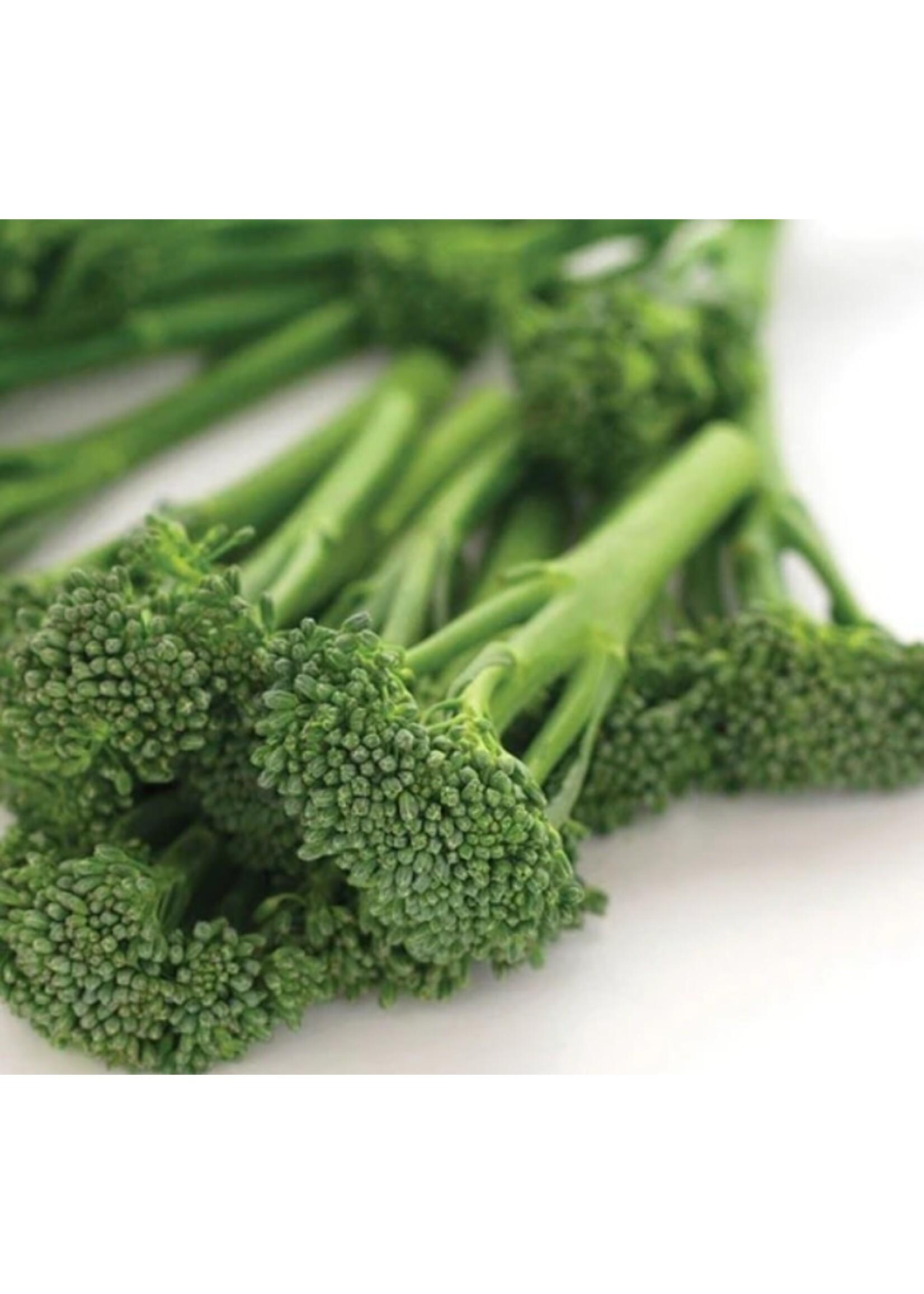
This delicious broccolini resembles a broccoli raab, but with an asparagus-like stem. Aspabroc Broccolini has a sweet, delicate flavour with a subtle, peppery taste.
This delicious broccolini resembles a broccoli raab, but with an asparagus-like stem. Aspabroc Broccolini has a sweet, delicate flavour with a subtle, peppery taste. The flavour is milder and sweeter when cooked. When eaten raw, the vegetable has a tender yet crunchy texture. Aspabroc is a nutritional powerhouse, full of vitamins and minerals the body needs to stay healthy. Aspabroc broccolini seeds are a natural hybrid of broccoli and gai lan. Spring planting leads to summer harvest of this unique variety. This is the same broccolini that has been available in grocery stores for the last few years.
Latin
Brassica oleraceae var. italica
Family: Brassicaceae
Difficulty
Moderately challenging
Season & Zone
Season: Cool season
Exposure: Full-sun
Timing
Start indoors right around the last frost date or later in spring for summer harvest in 2 to 3 months. For fall harvest, start indoors late spring and transplant in July, harvesting just before the first frost date. For overwintering sprouting broccoli in mild winter areas, start indoors late March to mid-April, and harvest the following February to May. Seeds will germinate in 7-10 days. Optimal temperature for germination: 10-30°C (50-85°F).
Starting
Sow indoors, 3 or 4 seeds per pot, 5mm (¼”) deep, under very bright light. Thin to the strongest plant. Space transplants 45-60cm (18-24″) apart in rows 75-90cm (30-36″) apart.
Growing
Ideal pH: 6.0-6.8. Broccoli is a moderate to heavy feeder that does best in humus-rich soil amended with composted manure. Mix ¼-½ cup complete organic fertilizer into the soil under each transplant. Transplants should be set out by the time they have 6-8 true leaves. When plants are 20-25cm (8-10″) tall, push soil around the stems up to the first big leaf to encourage side shoots. Broccoli does best in cool weather.
Harvest
Cut the crown portion of the broccoli with 5 to 6 inches of stem, after it’s fully developed, but before it begins to loosen and separate and the individual flowers start to develop into bright yellow blooms. Removing the central head stimulates regrowth to develop for later pickings. Cutting the head lower on the stem will encourage fewer, but larger side-shoots. The regrowth portion grows from the base of the lower leaves. You can usually continue to harvest broccoli for several weeks.
Seed Info
In optimum conditions at least 80% of seeds will germinate. Usual seed life: 3 years. Per 100′ row: 170 seeds, per acre: 30M seeds.
Diseases & Pests
Slugs and snails – Slugs are attracted to beer, so place a little beer in a cup dug into the ground. Sprinkle broken eggshells around plants to deter slugs and snails.
Flea beetles – Use row covers to help protect plants from early damage. Put in place at planting and remove before temperatures get too hot in midsummer. Control weeds.
Cabbage root maggot – White maggots (larvae) attack all plants of the cabbage family. Larvae tunnel in and feed on roots of plants. Damage causes wilting early on, death of plants a little later on.
Cabbage aphids – A hard stream of water can be used to remove aphids from plants. Wash off with water occasionally as needed early in the day. Check for evidence of natural enemies such as grey-brown or bloated parasitized aphids and the presence of alligator-like larvae of lady beetles and lacewings.
Cabbageworms – Handpick and destroy. Row covers may be useful on small plantings to help protect plants from early damage. Put in place at planting and remove before temperatures get too hot in midsummer.
To help reduce disease, do not plant broccoli or other Brassicas in the same location more than once every three or four years.